Living in Germany Tips — What Every Newcomer Should Know
Germany is a wonderful place to study — but it also comes with a set of unwritten rules that can surprise newcomers. From quiet hours to waste separation, from cash culture to public broadcasting fees: this guide walks you through the most important German customs so you start on the right foot with neighbours, authorities, and fellow students.
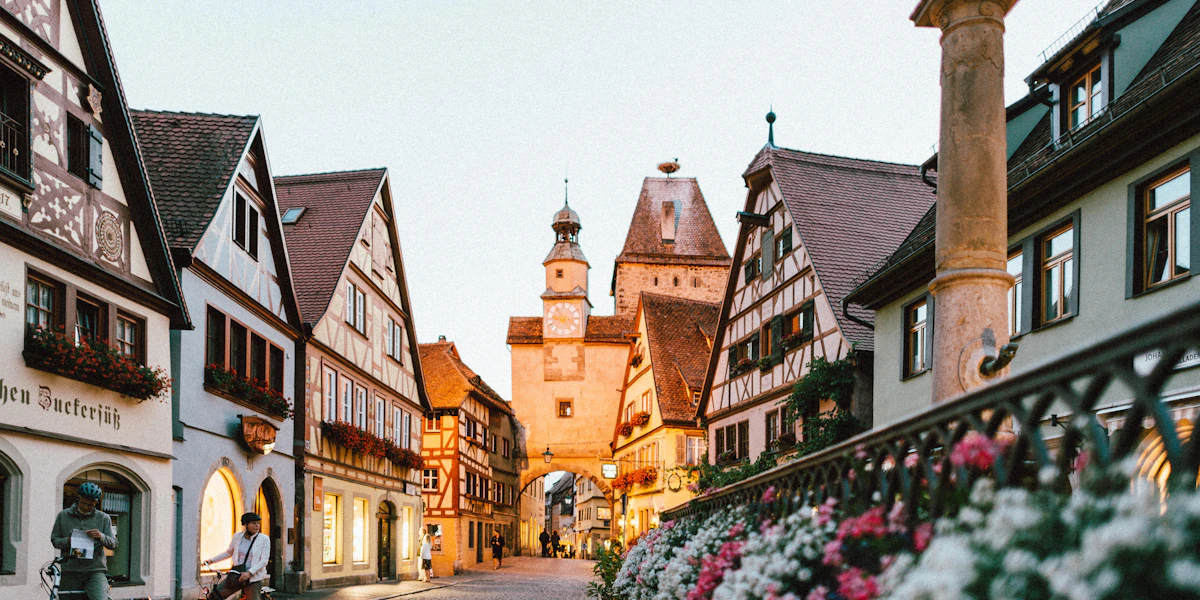
Photo: Florian Weichelt / Unsplash
Quiet Hours (Ruhezeit) — Germany’s Noise Rules
Germany has legally mandated quiet periods that apply to all residents in apartment buildings:
Midday Quiet: 1:00 PM – 3:00 PM
No drilling, loud vacuuming, or blasting music. Many older neighbours observe this very strictly.
Night Quiet: from 10:00 PM
From 10 PM, all disturbing noise is prohibited. Loud parties, music, or power tools are off limits. Repeated violations can lead to warnings from your landlord.
Sundays & Public Holidays: All Day
Germany observes Sunday rest (Sonntagsruhe) all day. No lawnmowers, no power drills, no loud parties. Germany has 9–13 public holidays per year depending on the state (Hesse: 12).
Waste Separation (Mülltrennung) — Not Optional
Germany takes waste separation seriously — it is one of the things that surprises most international students. Wrong disposal can mean the bin company rejects your rubbish or that you get a formal warning.
- Yellow bag / Yellow bin (Gelber Sack): Packaging marked with the Green Dot (Grüner Punkt) — plastic, metal, composite materials. No food scraps, no glass, no paper.
- Bio bin (Braune Tonne): Food scraps, coffee grounds, fruit and vegetable peels, garden waste. Also egg shells and paper napkins.
- Paper bin (Blaue Tonne): Paper, newspapers, cardboard boxes. Pizza boxes with grease residue go into residual waste.
- Residual waste (Graue/Schwarze Tonne): Everything that doesn’t fit elsewhere: cat litter, cigarettes, hygiene products.
- Glass containers: Separated by colour (white, brown, green). Usually found near the building entrance or on the street.
Rundfunkbeitrag — Broadcasting Fee (€18.36/Month)
Every German household pays a mandatory broadcasting fee — regardless of whether you own a TV, listen to radio, or use ARD/ZDF at all.
- Own apartment: One contribution per dwelling (€18.36/month), even if multiple people live there.
- Shared flat (WG): One person registers the household — others can file for exemption at rundfunkbeitrag.de (Befreiungsantrag).
- BAföG recipients: Can apply for full exemption.
- Registration: Online at rundfunkbeitrag.de, you receive a contribution number by post, then set up SEPA direct debit.
Cash Culture — Germany Loves Physical Money
Unlike most Asian countries and Scandinavia, Germany remains very cash-oriented. This surprises many international students:
- Many small restaurants, weekly markets, and convenience stores only accept cash.
- ATMs (Geldautomaten) are widely available in Darmstadt — Sparkasse, Volksbank, Deutsche Bank.
- With an N26 Mastercard, you can withdraw cash for free at many ATMs.
- Always carry €20–50 in cash — you will need it at some point.
Punctuality — 5 Minutes Late Is Late
Punctuality is a sign of respect in Germany. While 10–15 minutes’ delay is normal in some cultures, Germans generally expect you to arrive on time — often a few minutes early.
- Lectures: „c.t.“ (cum tempore) = Academic Quarter = starts 15 minutes late. If no indication: on the dot.
- Government appointments: Arrive 5 minutes early, documents ready.
- Private invitations: Arrive on time — not 30–60 minutes late as is common in some cultures.
- If you’re running late: Send a quick text or call — silence is considered rude.
Neighbours — Greet, Respect, Communicate
The relationship with neighbours in Germany is more formal than in many countries — but also more respectful:
- In the lift and stairwell: Always say hello („Hallo“ or „Guten Morgen“). Silent ignoring is considered rude.
- Shoes: Not always required, but common in many German homes to take off shoes at the entrance. When in doubt, ask.
- Doors: Always close apartment and building doors quietly — slamming is a frequent source of neighbour complaints.
- Complaints: Germans tend to address issues directly — don’t take it as an attack. Respond calmly and factually.
Laundry — Shared Laundry Room Rules
Many German apartment buildings have shared laundry rooms with specific rules:
- Laundry hours are often restricted — typically not before 7:00 AM and not after 10:00 PM.
- Some buildings post a schedule or booking system — always follow it.
- Remove laundry promptly when the cycle ends — others are waiting.
- Wipe down the drum if you use fabric softener — residue is considered inconsiderate.
Official Letters — Always Open, Always Respond
German authorities communicate almost exclusively by post. Key rules:
- Open every letter — even if it looks formal or you don’t understand the German.
- Watch for deadlines: German authorities set binding 14- or 30-day response periods.
- Tax office, health insurance, pension fund, broadcasting fee — never ignore these.
- When in doubt: photograph the letter and use Google Translate — it’s usually good enough to understand the gist.
Insurance — What Students Need
Health Insurance (Krankenversicherung) — Mandatory
All students in Germany must have health insurance. Join a statutory scheme (GKV): TK (Techniker Krankenkasse), AOK, or Barmer — approx. €110–130/month. Required for university enrolment.
Personal Liability Insurance (Haftpflichtversicherung) — Highly Recommended
One of the most important insurances in Germany — and costs only from €5/month. It covers damage you accidentally cause to others (knocking over a bicycle, breaking a window). Without it, you pay out of pocket.
Contents Insurance (Hausratversicherung) — Optional but Useful
Covers theft, fire, and water damage to your personal belongings. Recommended if you own expensive electronics. From approx. €5/month.
Frequently Asked Questions
What are Germany’s quiet hours (Ruhezeit)?
Daily 1:00–3:00 PM and from 10:00 PM. All day on Sundays and public holidays. No drilling, loud music, or vacuuming during these times.
How does waste separation work in Germany?
Yellow bag (packaging), bio bin (food scraps), blue paper bin (paper/cardboard), grey residual waste bin (everything else). Glass goes into separate colour-coded containers. Wrong disposal can lead to rejected waste collection.
Do I have to pay the Rundfunkbeitrag?
Yes — €18.36/month per household. BAföG recipients can apply for exemption. Register at rundfunkbeitrag.de. In a shared flat, one person pays per household.
Why do some shops not accept card payments?
Germany has a strong cash culture rooted in privacy and tradition. Weekly markets, kiosks, and small restaurants often only accept cash. Always carry €20–50.
Which health insurance do you recommend for students?
TK (Techniker Krankenkasse) is especially popular with international students — good English service, solid app, and a strong presence at TU Darmstadt. Approx. €110–130/month.
Can I play music in my apartment?
Yes — outside quiet hours: 7:00 AM–1:00 PM and 3:00 PM–10:00 PM on weekdays and Saturdays. On Sundays and public holidays, avoid all disturbing noise.
Looking for accommodation in Darmstadt?
Fully furnished studios from €760/mo, steps from TU Darmstadt — fibre internet, induction kitchen, KNX smart home. Get in touch now:
Or use the enquiry form →